Comparison Between Physical Vapor Deposition (PVD) and Electroplating Coating
Comprehensive Guide to Choosing the Right Coating for Architectural and Industrial Applications
In the world of metal fabrication and architectural finishes, coating technologies play a critical role in defining the appearance, quality, and durability of a product. Two of the most prominent techniques are Physical Vapor Deposition (PVD) and Electroplating. Below is a detailed comparison of both methods in terms of performance, aesthetics, cost, and environmental impact.
1. Process Technology
PVD Coating:
-
A highly advanced process conducted in a vacuum chamber where solid material is vaporized and deposited as a thin film on the surface.
-
Environmentally friendly, as it doesn’t involve hazardous chemicals.
Electroplating Coating (Electroplating):
-
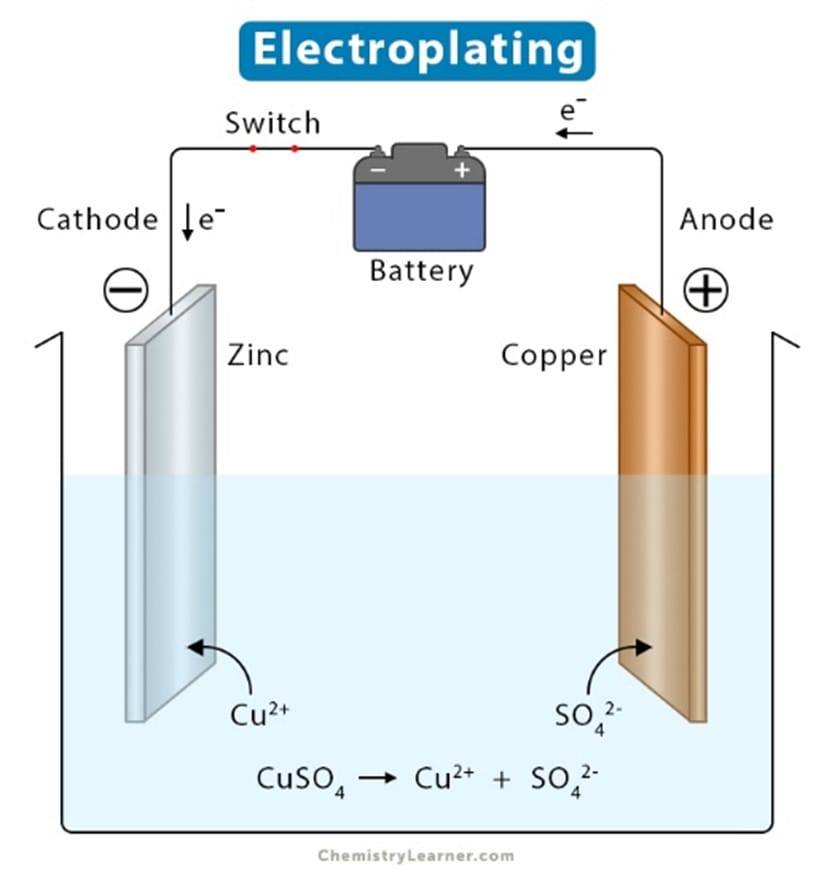
A chemical process where an electric current is used to deposit metal ions from a solution onto the surface.
-
Involves the use of chemicals that must be handled and disposed of carefully.
2. Adhesion (Bond Strength)
PVD Coating:
-
Forms a molecular bond with the surface, resulting in extremely strong adhesion.
-
Less prone to peeling, cracking, or chipping.
Electroplating Coating (Electroplating):
-
Creates a metal layer on the surface, but with weaker bonding compared to PVD.
-
More likely to peel or corrode over time, especially under mechanical stress.
3. Wear Resistance
PVD Coating:
-
Provides excellent resistance to wear and abrasion.
-
Ideal for tools, watches, and components subject to intensive use.
Electroplating Coating (Electroplating):
-
Offers moderate wear resistance, which degrades faster under friction or heavy use.
4. Environmental Corrosion Resistance
PVD Coating:
-
Delivers superior corrosion resistance, even in harsh or humid environments.
-
Suitable for both interior and exterior use in architectural and industrial contexts.
Electroplating Coating (Electroplating):
-
Corrosion protection depends on the metal used (e.g., nickel or chrome).
-
May corrode or oxidize over time, especially if the coating is thin.
5. Environmental Impact
PVD Coating:
-
Eco-friendly with no toxic by-products or hazardous waste.
Electroplating Coating (Electroplating):
-
Produces chemical waste requiring careful disposal.
-
Often associated with higher environmental risks if not managed properly.
6. Surface Finish
PVD Coating:
-
Offers high-end finishes with a wide range of customizable colors such as gold, black, rose gold, antique, and mirror finishes.
-
Results in smoother, more uniform layers with a modern aesthetic.
Electroplating Coating (Electroplating):
-
Limited to traditional metal finishes like chrome, nickel, gold, or silver.
-
May show inconsistencies if the process isn’t precisely controlled.
7. Cost
PVD Coating:
-
Generally more expensive due to advanced technology.
-
Offers better return on investment due to its durability and long service life.
Electroplating Coating (Electroplating):
-
More cost-effective for applications where durability is not the primary concern or where thicker coatings are needed.
8. Heat Resistance
PVD Coating:
-
Highly heat-resistant, making it ideal for cutting tools, automotive parts, and cookware.
Electroplating Coating (Electroplating):
-
Less resistant to high temperatures; coatings may degrade or lose adhesion under heat.
9. Applications
PVD Coating:
-
Used in luxury watches, surgical instruments, architectural elements, decorative finishes, premium goods, cutting tools, automotive trim, and aerospace components.
Electroplating Coating (Electroplating):
-
Commonly used in jewelry, coins, electrical components, and basic wear-resistant layers.
10. Service Life
PVD Coating:
-
Long-lasting thanks to its strength, resistance to wear, and strong bonding.
-
Requires minimal maintenance or re-coating.
Electroplating Coating (Electroplating):
-
Shorter lifespan; may require periodic maintenance or reapplication, especially in demanding environments.
Conclusion
If you’re seeking a premium, long-lasting, environmentally safe coating with aesthetic versatility, PVD is the ideal choice.
However, if cost-efficiency is a priority and the application is less demanding, Electroplating Coating offers a practical alternative.