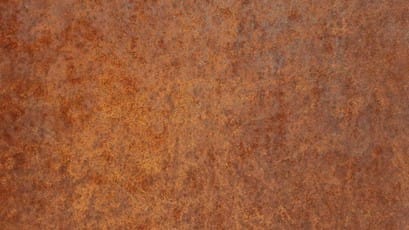
Corten Steel
Corten Steel: Where Is It Used and Why It’s Special
Corten steel, also known as weathering steel, is a high-strength, corrosion-resistant alloy that forms a self-protecting rust-like layer over time. This distinctive surface isn’t a flaw—it’s a feature. The rust layer, known as a patina, acts as a shield that prevents deeper corrosion and eliminates the need for painting or coating.
What Makes Corten Steel Special?
Several factors contribute to the growing popularity of corten steel in modern design and construction:
Self-Protective Rust Layer
One of the most unique aspects of corten steel is that the rust actually protects the metal. Unlike ordinary steel, this weathered layer halts further corrosion, making it highly durable even in exposed environments.
High Strength
Thanks to its engineered composition, corten steel can withstand heavy mechanical stress. This makes it suitable not only for aesthetics but also for structural applications.
Low Maintenance
Once the patina fully forms and stabilizes, it requires little to no maintenance—unlike painted or coated steel surfaces that need frequent upkeep.
Distinctive Aesthetic Appeal
With its earthy, oxidized tones, corten steel delivers a modern industrial look that evolves over time. This raw, natural style is beloved by architects, designers, and artists alike.
Composition of Corten Steel
The weathering properties of corten steel come from its alloy content. It typically contains:
-
Copper
-
Chromium
-
Nickel
-
Phosphorus
These elements encourage the formation of a stable oxide layer that protects the inner steel from the environment.
Types of Corten Steel
There are two main grades of corten steel, each suited to different applications:
-
Corten A:
Designed for thin-sheet uses, such as cladding, artistic panels, and decorative architectural elements. -
Corten B:
Built for heavier structural applications, including beams, columns, and bridges, where strength is a priority.
Where Is Corten Steel Used?
Corten steel’s blend of durability, beauty, and practicality makes it suitable for a wide range of industries:
1. Architecture
Corten is commonly used in building façades, cladding, roofing, and even load-bearing structures. It’s favored for its ability to develop character over time and harmonize with natural landscapes.
2. Landscape Design
In gardens and public parks, corten steel is often seen in planters, retaining walls, edging, benches, and screens. Its organic appearance blends seamlessly with foliage and stone.
3. Art and Public Installations
Contemporary sculptors and artists often choose corten steel for its weathered, industrial aesthetic. It’s ideal for large-scale outdoor sculptures and urban installations.
4. Infrastructure and Industrial Applications
Corten’s strength and resistance to weathering make it suitable for:
-
Bridges
-
Rail cars
-
Shipping containers
-
Utility poles
-
Guardrails
It performs reliably under mechanical stress and harsh environmental conditions.
Summary: Why Choose Corten Steel?
Corten steel offers a rare combination of beauty, strength, and sustainability. It evolves naturally, stands up to weather and wear, and requires minimal maintenance. Whether it’s used in urban plazas, luxury resorts, or structural engineering, corten steel remains a top choice for projects that demand both performance and visual impact.