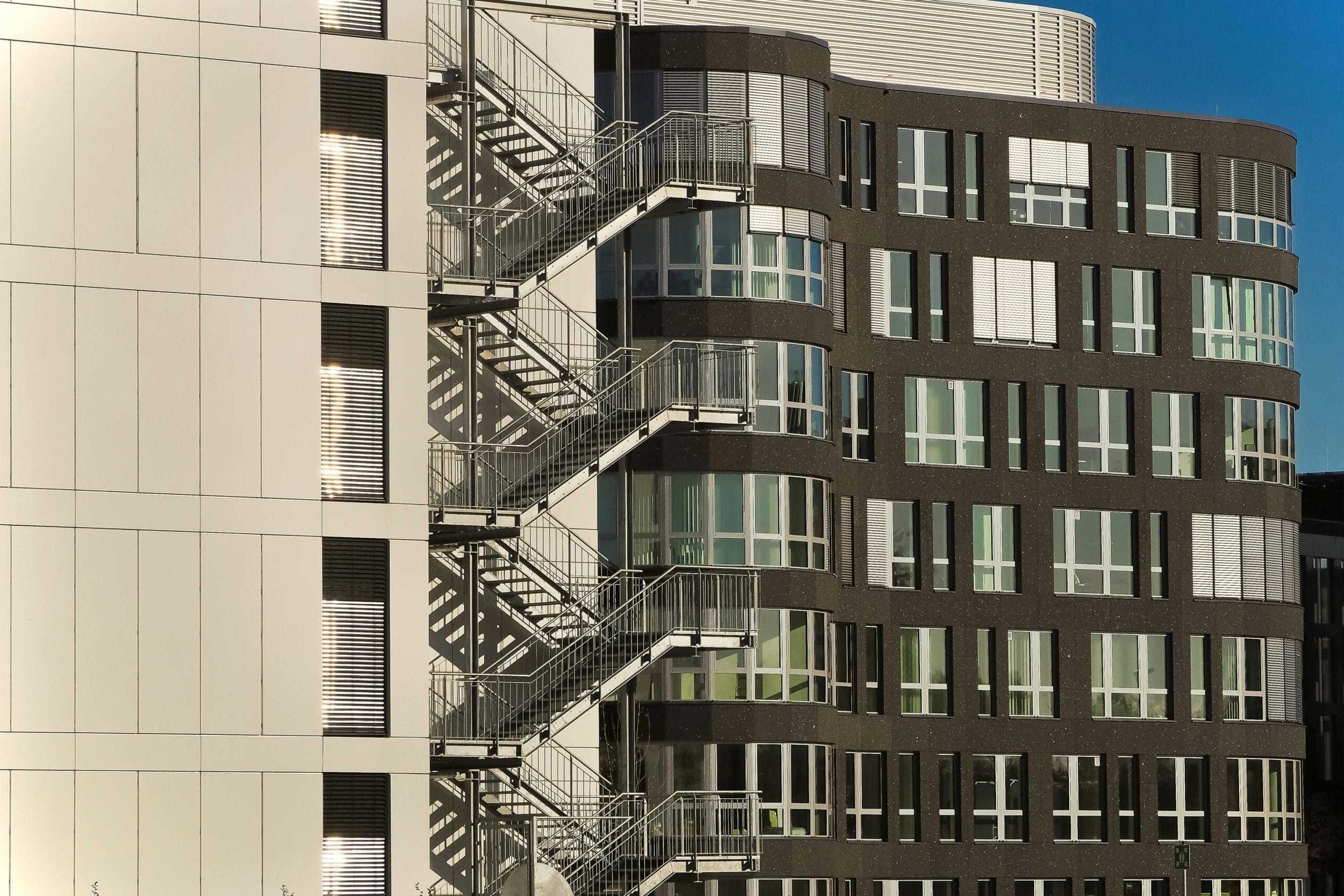
The Role of Metal Cladding in Enhancing Architectural Identity in Modern Buildings
In contemporary architecture, a building is no longer just a functional structure — it is a visual statement that reflects culture, purpose, and identity. Among the architectural elements that play a significant role in shaping this identity, metal cladding has emerged as a key design component.
Thank you for reading this post, don’t forget to subscribe!
Metal cladding is not merely a protective layer for façades; it is a design language that adds character, depth, and visual distinction to buildings.
What is Metal Cladding?
Metal cladding refers to the use of metal panels or decorative systems installed on a building’s interior or exterior surfaces to:
- Protect the structure from weathering and corrosion
- Increase structural durability
- Enhance the building’s aesthetic appeal
- Create visual harmony and modern architectural expression
It bridges functionality and elegance.
Why Is Metal Cladding Important in Modern Architecture?
1) Strengthening Architectural Identity
Every building conveys a message. Metal cladding amplifies this message by offering:
- A wide range of colors and finishes
- Textured and perforated surfaces
- The ability to create complex geometric patterns
This gives architects the flexibility to achieve unique and memorable façades.
2) Durability and Longevity
Metals such as aluminum, stainless steel, and corten steel are:
- Highly resistant to corrosion
- Weather and heat resistant
- Low-maintenance
- Fire-resistant
This makes them ideal for the demanding environmental conditions across different regions.
3) Design Flexibility
Using modern fabrication technologies such as:
- Laser cutting
- Perforation systems
- Bending and V-Grooving
Metal cladding can be shaped into contemporary forms that enhance both visual appeal and performance.
4) Increasing Property Value
A well-designed façade elevates the commercial and aesthetic value of any building, increasing its market appeal and long-term investment return.
Where is Metal Cladding Typically Used?
Metal cladding systems are adaptable to many applications, including:
- Exterior building façades
- Hotel lobbies and commercial interiors
- Ceiling and wall feature designs
- Pergolas, shading systems, and outdoor structures
- Residential and public architecture
Rawnq’s Approach to Metal Cladding
At Rawnq, we provide a fully integrated solution that covers:
✅ Architectural design and 3D modeling using BIM and CAD systems
✅ Material selection tailored to project requirements and climate conditions
✅ Fabrication using advanced cutting, forming, and finishing equipment
✅ Expert installation ensuring precision, durability, and safety
✅ Delivery and execution aligned with international quality standards
Our mission is not just to supply materials — but to create lasting architectural identity.
Conclusion
Metal cladding is more than an aesthetic choice — it is a strategic architectural tool that defines the visual identity and long-term value of modern buildings. When designed and executed with expertise, it transforms structures into iconic architectural statements.